
Layal Bou Harfouch
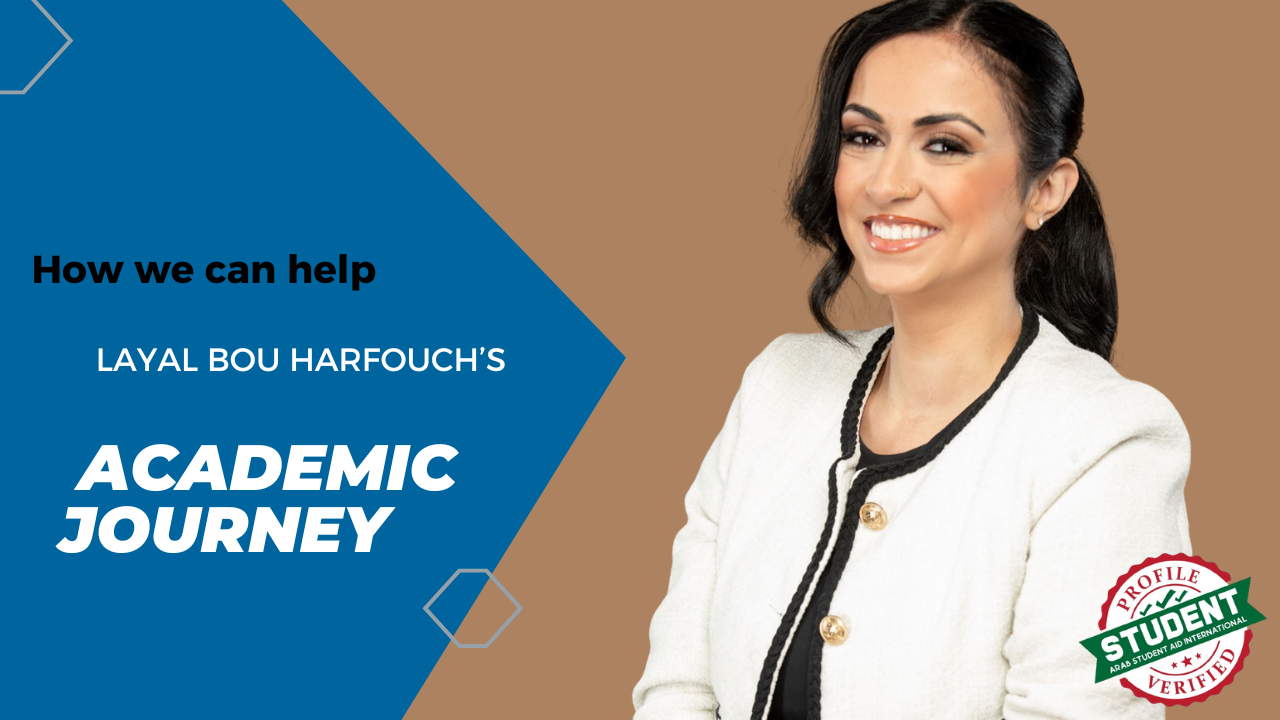
When I was sixteen, I watched a close friend disappear into the grip of addiction. The silence around her struggle—both in our community and within her own home—was deafening. No one knew what to do, and no one talked about it. That experience stayed with me, eventually becoming the spark that led me to pursue a career focused on addiction, public health, and policy reform. Today, as I prepare to begin my PhD in Evidence-Based Healthcare at the University of Oxford, I know that the story I’m writing is not just my own—it’s one shared by countless families, particularly within Arab American communities where addiction remains deeply stigmatized and under-addressed.
I chose this field because I believe in the transformative power of science, compassion, and policy. My research focuses on improving the way we understand, prevent, and treat substance use disorders. This work is more than academic; it’s deeply personal. I’ve spent the past several years working on the front lines of addiction care—helping patients access medication-assisted treatment, coordinating clinical trials, and now working to shape harm reduction policy in the U.S. Each of these roles has taught me the importance of centering people lived experiences in healthcare and policymaking.
Pursuing higher education has not come without challenges. As the daughter of Lebanese immigrants, I’ve carried the weight of being the first in my family to navigate complex academic and financial systems. My parents supported me through my master’s program, a gift I will never take for granted. But with limited resources, they are unable to help fund my doctorate. Because my PhD is part-time and based in the UK, I am unable to access my eligible FAFSA funds, which require physical residency abroad. That leaves me in a difficult position—committed to a program that aligns perfectly with my mission, but without the financial backing to confidently move forward.
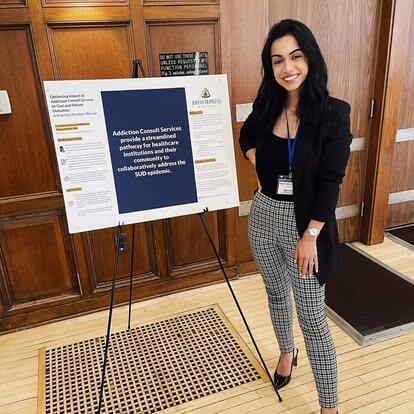
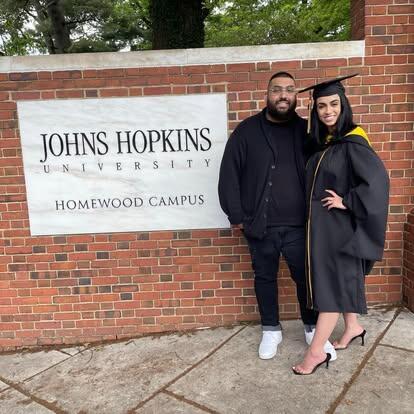
Financial assistance would be life changing. It would allow me to fully dedicate myself to my studies and research, knowing that I’m not burdening my family or delaying progress toward my goal. It would also serve as a vote of confidence—an investment in the change I’m working to create.
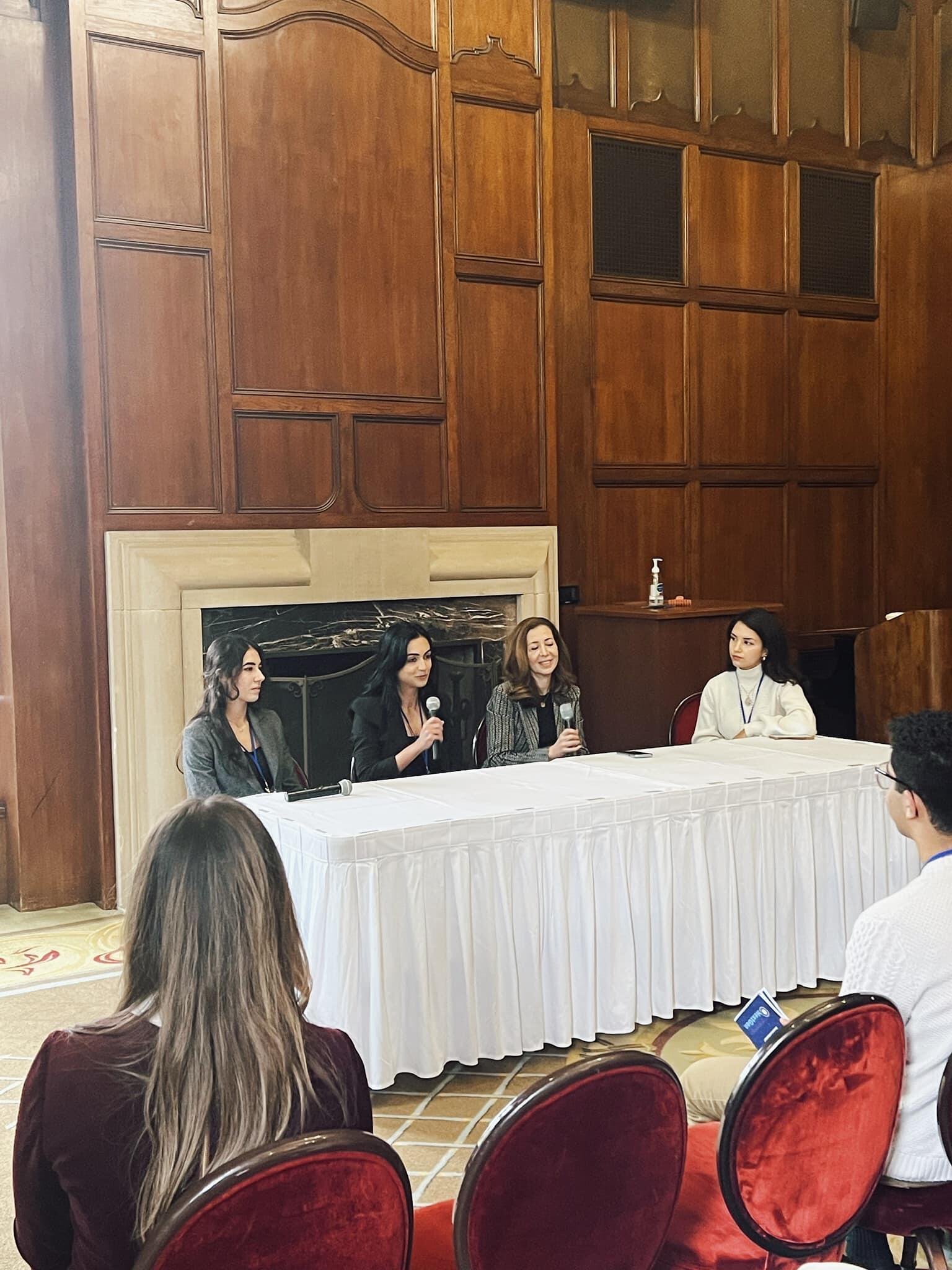
What drives me most is the belief that no one should be made to feel shame for their struggles. A pivotal moment in my journey came during a community outreach event, when a young woman came up to me and whispered, “Thank you. I didn’t think anyone like me belonged in rooms like this.” That quiet moment reminded me why I do this work—to build bridges between evidence and empathy, to ensure our communities are no longer left behind in conversations about health and healing.
Your support would not just fund my education—it would fuel a mission rooted in equity, dignity, and hope. I’m grateful for your consideration and the opportunity to keep going.
