
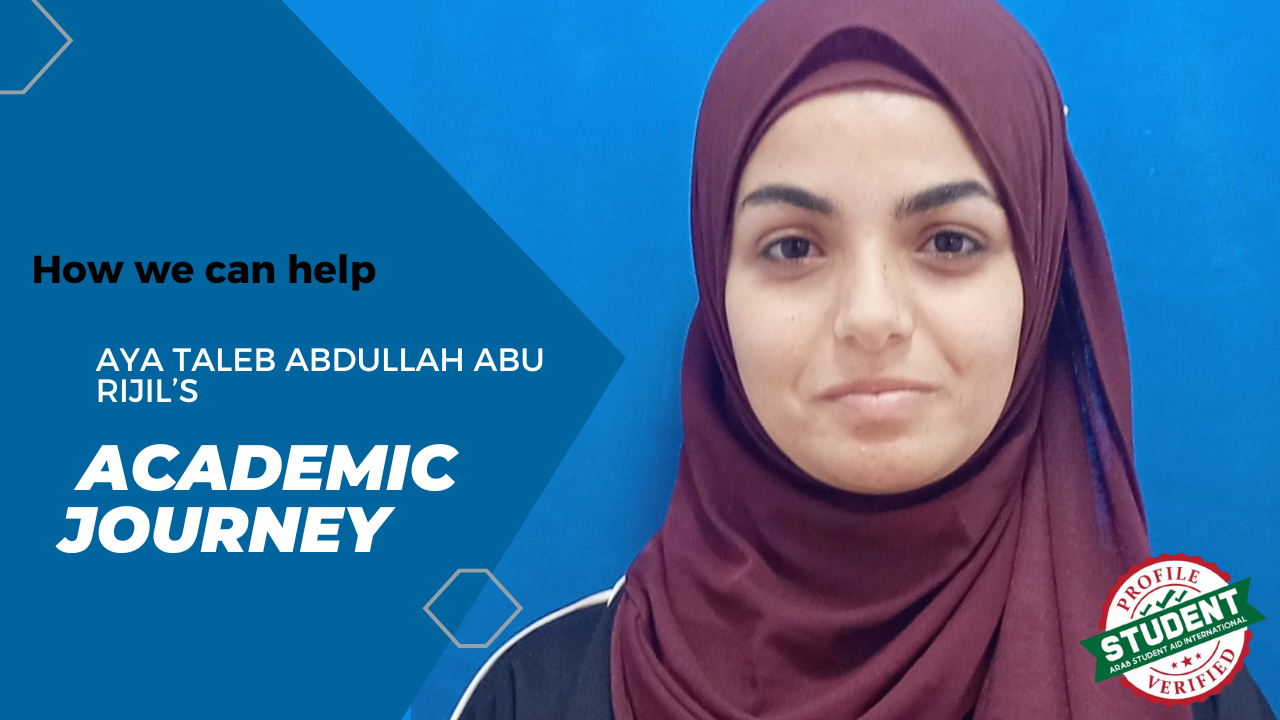
Since childhood, my life has been defined by responsibility and resilience. I am a second-year medical student at the Islamic University of Gaza, and my journey to this point has been shaped by hardship, war, and an unwavering desire to heal others.
In 2014, during the war, my older sister suffered a severe psychological breakdown and could no longer recognize us. My father, a former prisoner, was also deeply traumatized. At just ten years old, I became responsible for taking my sister to the psychiatrist. That’s when I first learned about bipolar disorder and medications like Olanzapine, Risperdal, and Depakine.
Meanwhile, my mother was bedridden with multiple chronic conditions: immunodeficiency, thyroid problems, hypertension, and a herniated disc. I learned how to measure blood pressure as a child and spent years juggling my parents’ and sister’s medical needs. In 2016, my father’s condition worsened. He began hallucinating and became violent. I had to stay up all night to protect my siblings and mother.
I spent my childhood running from pharmacy to pharmacy, trying to get medications we often couldn’t afford. I endured shame, rejection, and learned to ration doses when medications ran out. I was a caregiver long before I understood what it meant to be a child.
Despite everything, I graduated high school with a 98% score. I received a scholarship to study medicine in Algeria but declined it to care for my family. I continued my studies in Gaza instead, first in Health Sciences, then — miraculously — I was accepted into medical school. I applied just to feel what it was like — I never thought I’d be accepted.
Just a week before the war in October 2023, I received a $2,000 scholarship from PAMA that covered one semester. Then the war began. I studied under bombardment, living in a tent, losing everything.
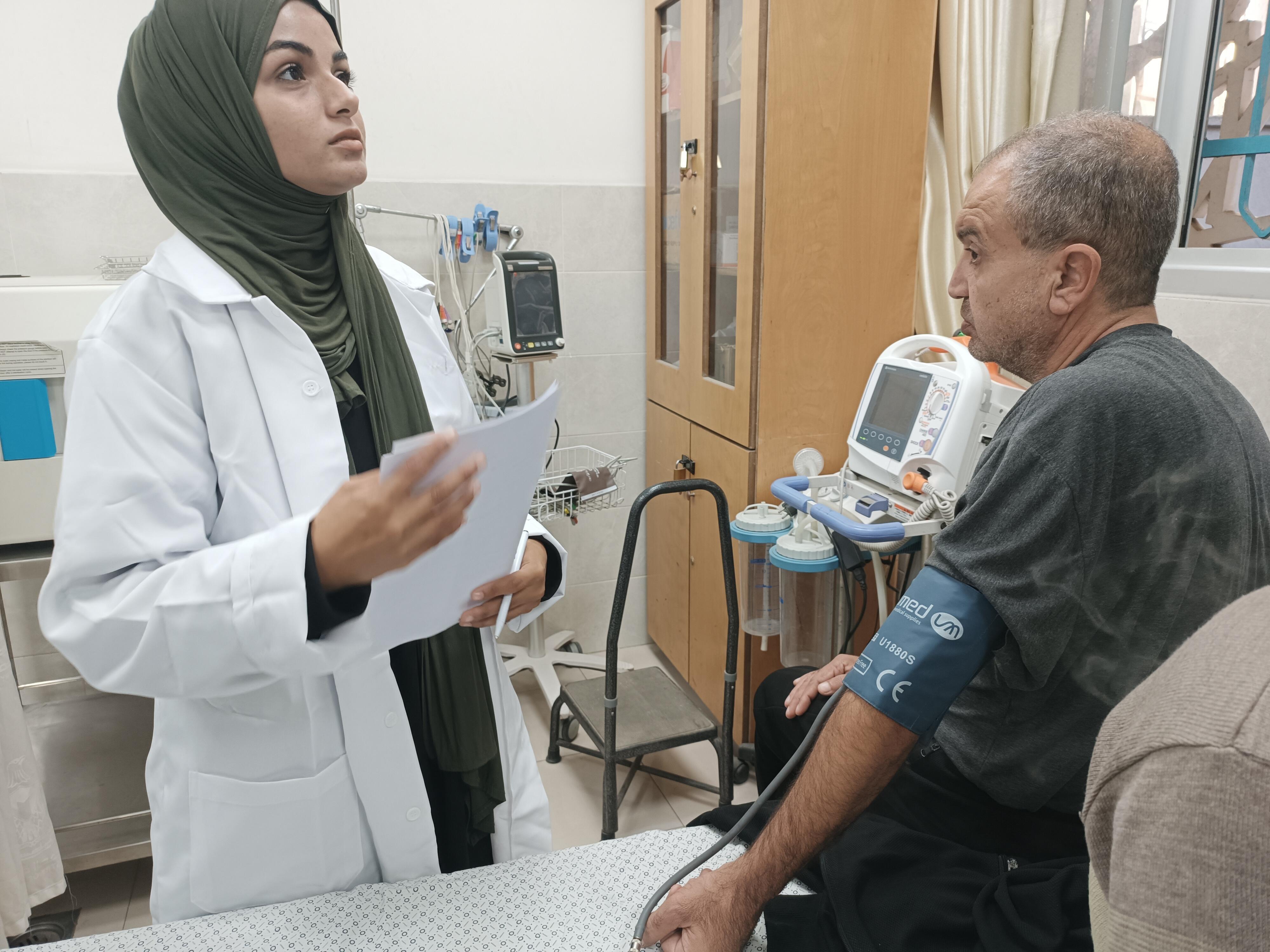
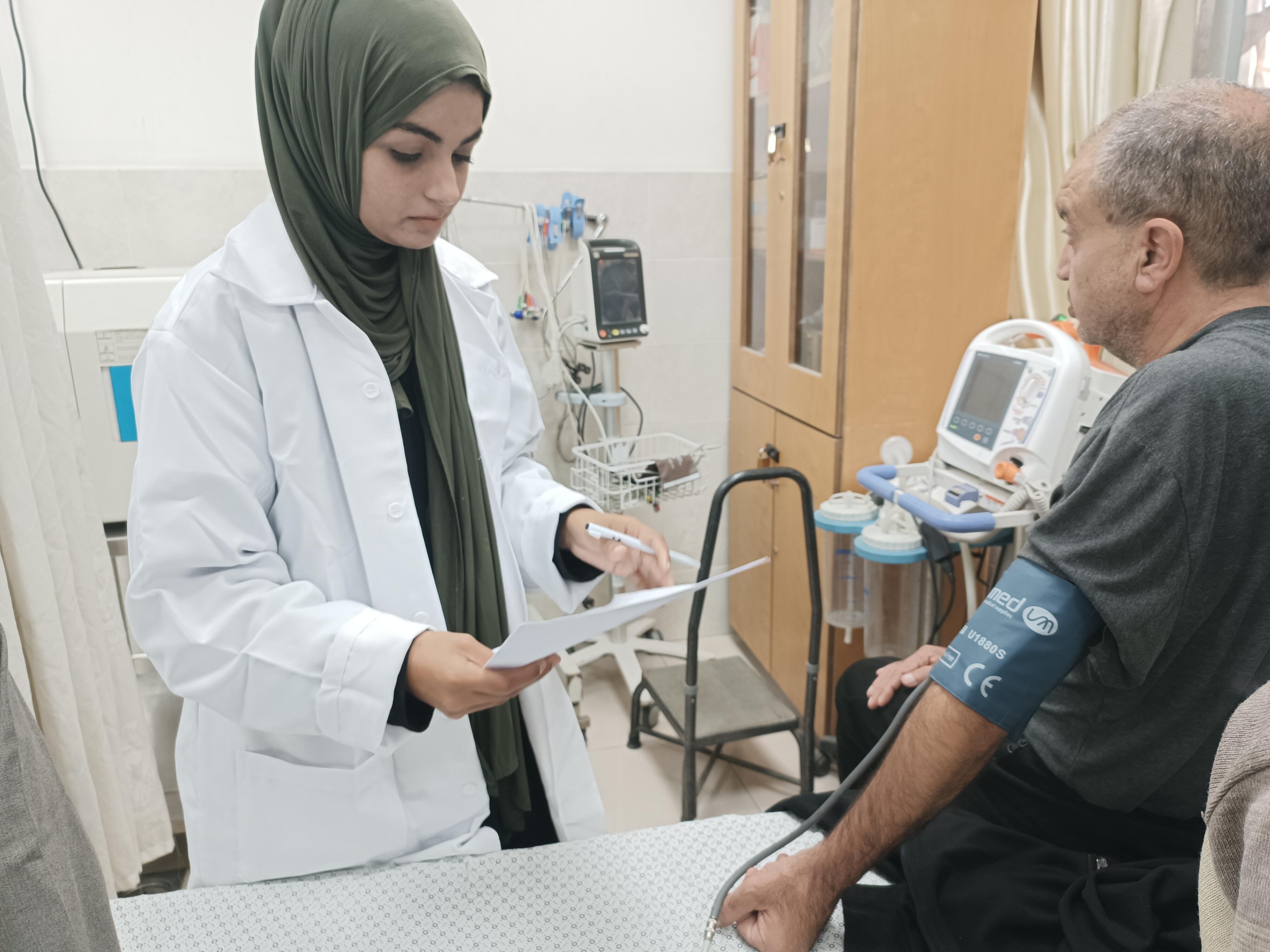
In February 2025, the university demanded tuition I couldn’t afford. I had to drop out. The next semester began, and again, I couldn’t pay. I spent those months running to find food, water, and medications for my family of seven. Psychiatric medications became more expensive, and my sister’s and father’s conditions worsened.
People ask, “Why pursue medicine if you can’t afford it?” But every time I tried to walk away, life brought me back. Even when I sought mental health support out of desperation, someone there helped me pay part of my tuition. That small act reignited my hope.
Recently, The Guardian featured my story — a symbol of how students in Gaza dream of survival and education amid devastation.
Now, I am trying again — not just to survive, but to build a future. Financial support would allow me to focus on my education instead of constantly searching for aid. I dream of becoming a psychiatrist or physician who understands suffering not from textbooks, but from lived experience.
I want to give back; to treat others the way I wish my family could’ve been treated. Your support would not just fund my education — it would restore dignity, hope, and purpose to someone who has spent her life fighting to rise.
