
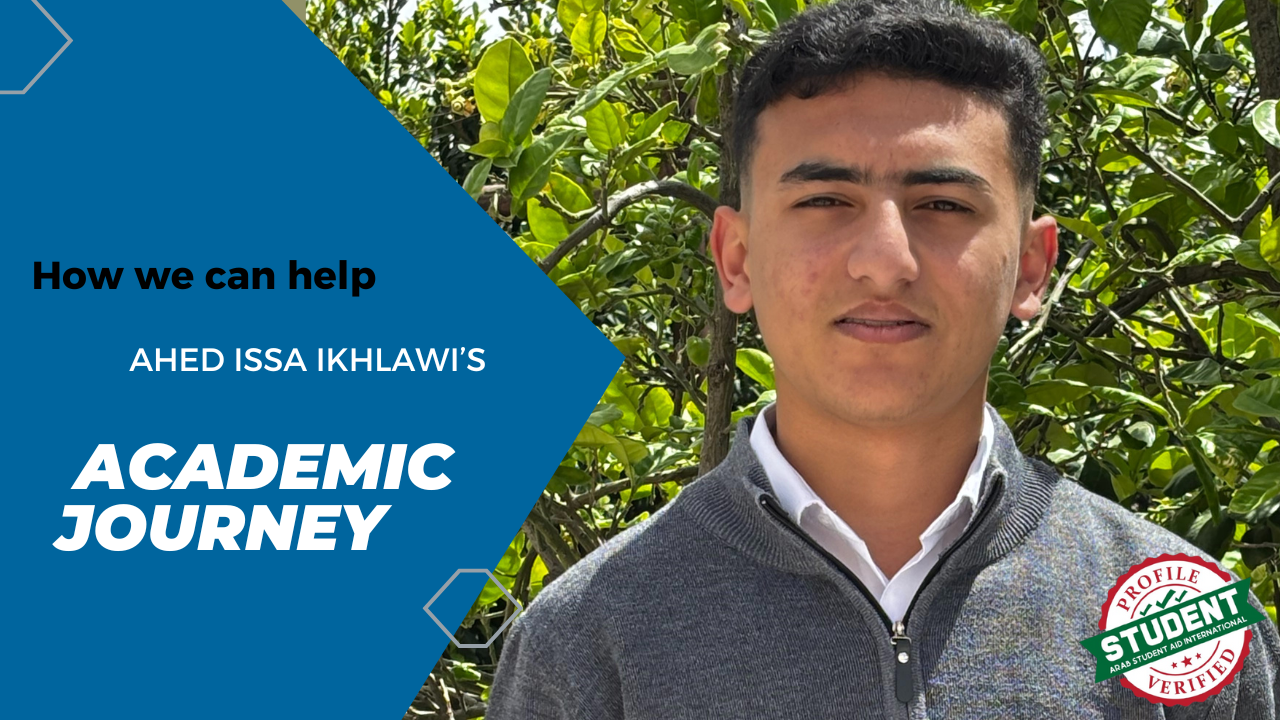
Growing up in Palestine, I was raised in a society built on resilience—where hardship often walks hand-in-hand with hope. From an early age, I saw how medical care—something taken for granted elsewhere—could mean the difference between life and death in my community. When a close family friend lost his life to an undiagnosed hypertensive crisis, it planted in me a deep sense of responsibility. I knew then that I wanted to become a doctor—not just to treat illness, but to serve the underserved.
I chose to study medicine because I believe healthcare is not just a science—it’s a calling. It is the most direct way I can use my knowledge and compassion to transform lives. My fascination with human biology and my desire to reduce preventable suffering led me to pursue this path with unwavering focus.
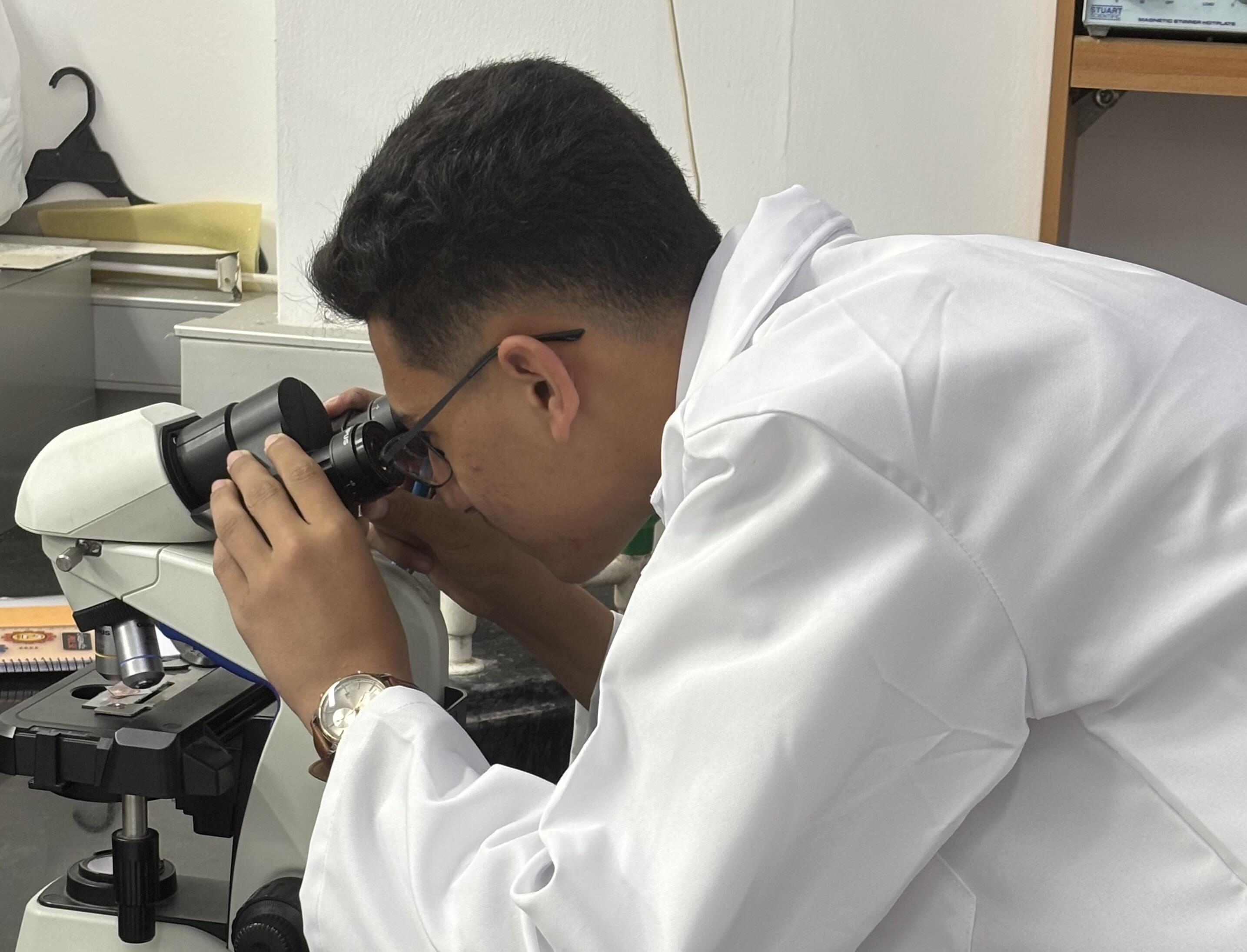
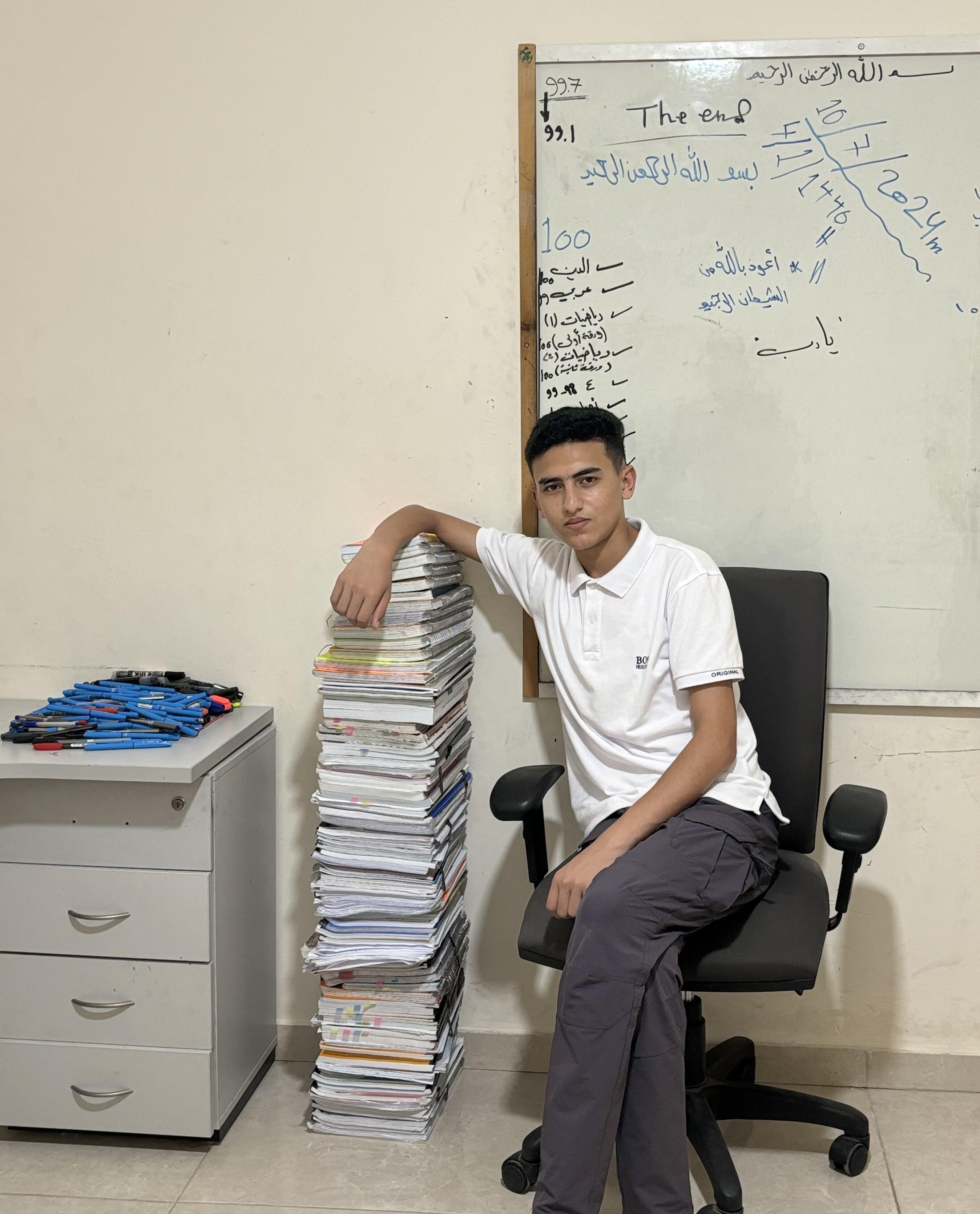
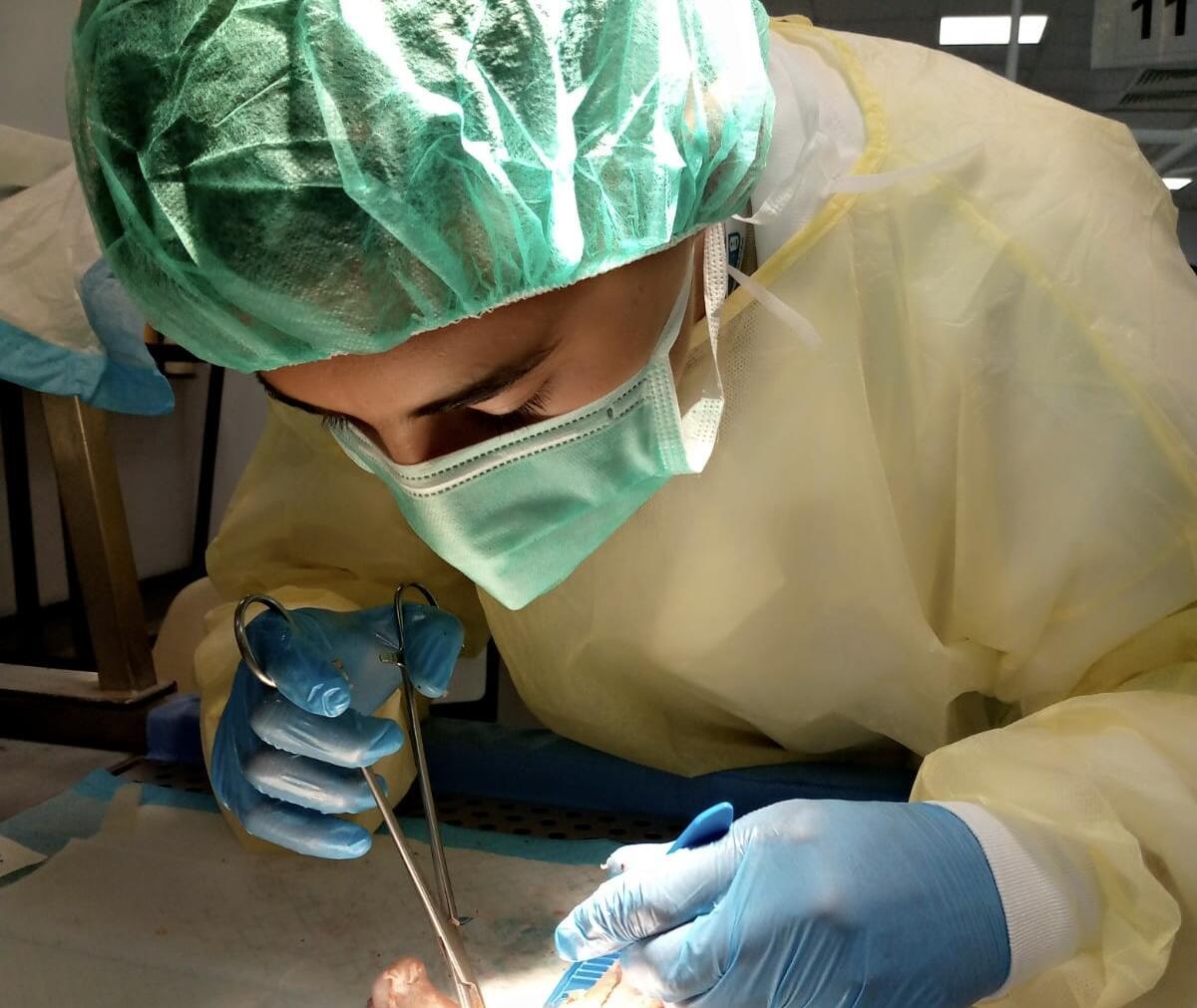
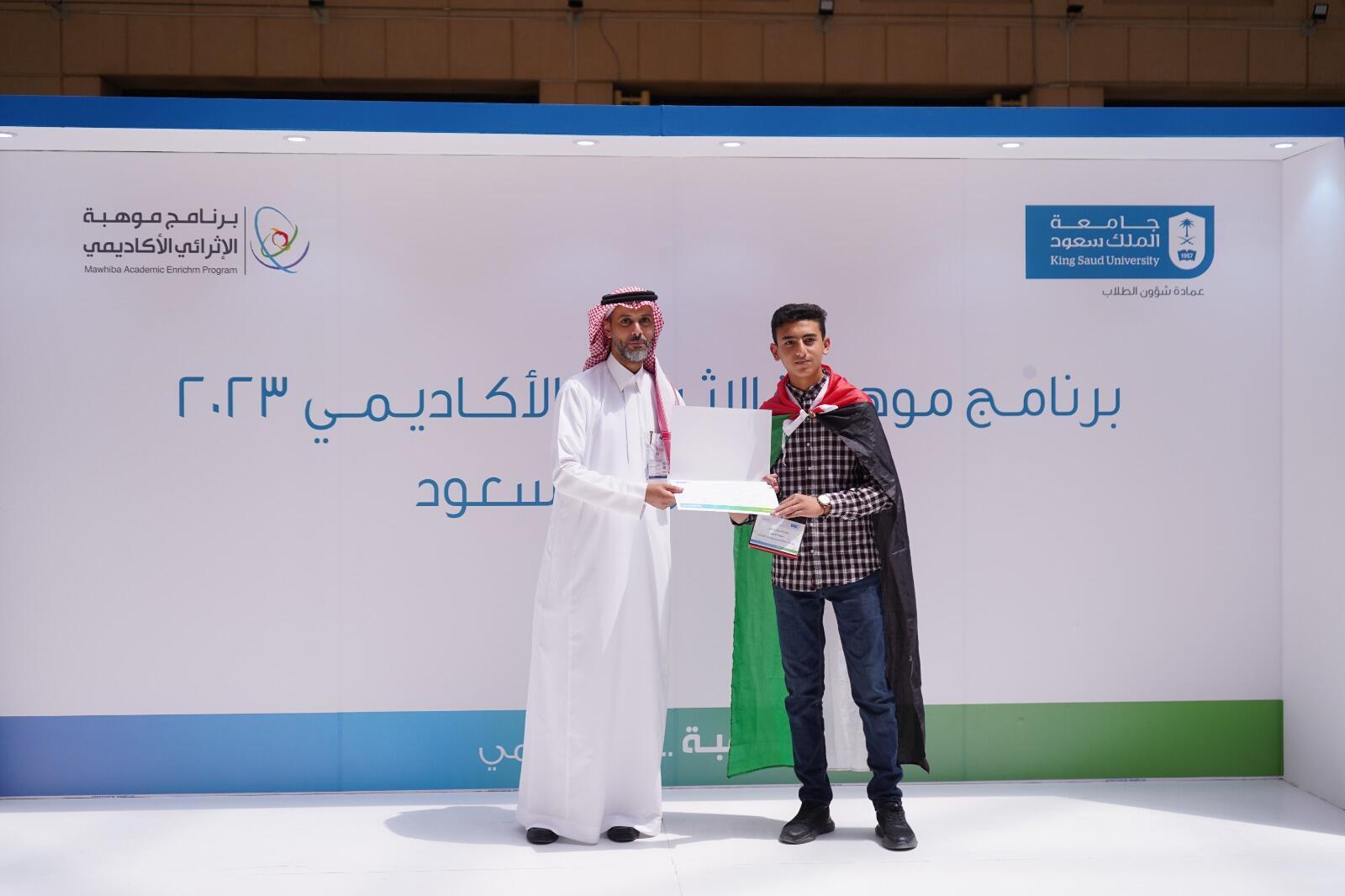
Despite a challenging environment, I graduated from high school with a 99.1% in the scientific stream and earned a GPA of 91.22 in my first year of medical school at Al-Quds University. I also scored 790 out of 800 in SAT Math and completed a 76-hour certificate in Anatomy and Physiology from King Saud University through the Mawhiba Program.
But alongside these academic achievements, I’ve also faced many obstacles—chief among them is financial hardship. In Palestine, pursuing a medical degree often comes with not only academic pressure but also economic uncertainty. My family supports my education with great sacrifice, and there are moments when the cost of tuition, textbooks, and necessary resources becomes overwhelming. Specialized labs and training equipment are limited, and even participating in extracurricular research often comes at a cost I cannot always afford. I’ve met these challenges with determination, self-learning, and resourcefulness—but there is only so much one can do without support.
A donor’s contribution would not merely fund my education; it would give me the stability to thrive. Financial assistance would allow me to focus fully on my studies, participate in more clinical internships, and enhance my skills without the constant stress of economic limitation. Most importantly, it would bring me closer to my long-term vision: to return to underserved areas in my country and offer specialized care to hypertensive youth. I am already conducting research on the impact of smoking on cognitive performance in this group, and I aspire to establish a preventive health initiative targeting cardiovascular health in young adults.
One moment that continues to inspire me happened during my anatomy training at King Saud University. Surrounded by students from all over the world, I realized that while knowledge has no borders—opportunity often does. That realization drives me every day—to break those barriers, not just for myself, but for others like me.
With your support, I won’t just become a doctor—I will become a doctor who gives back. Your contribution is not only an investment in my future, but in the countless lives I hope to heal.
