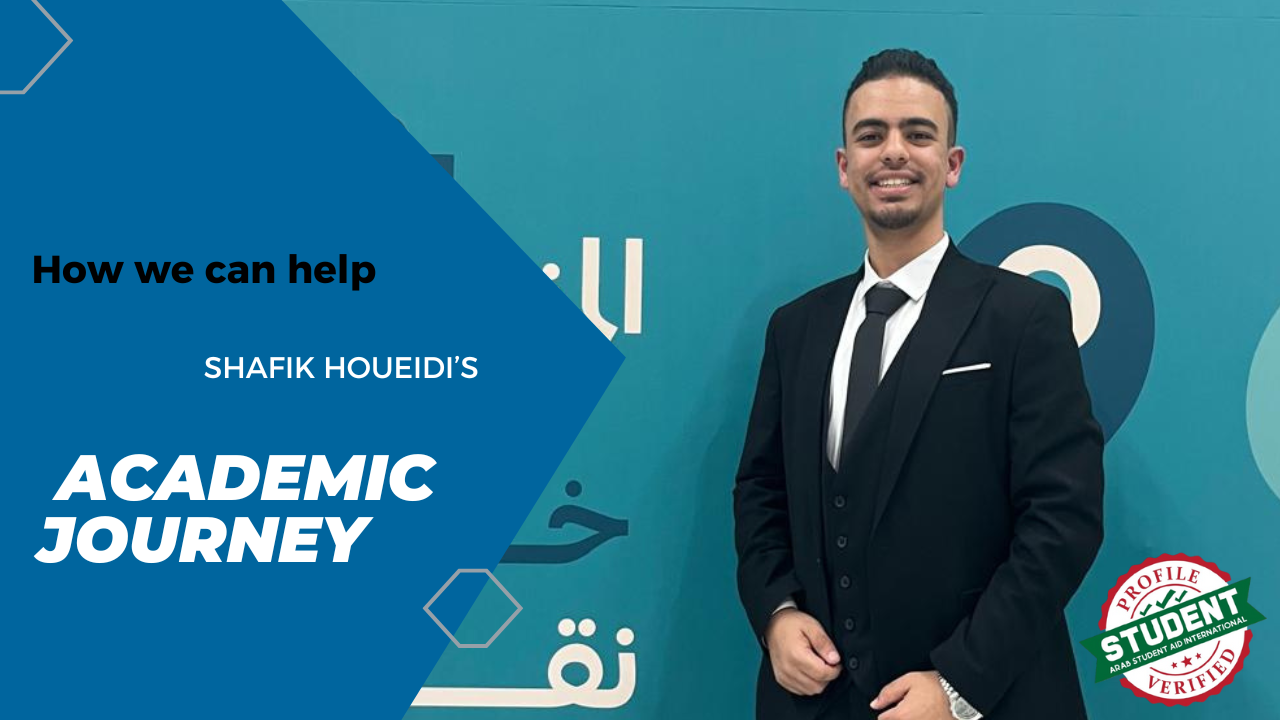
Lighting the Lamps: From Refugee Camps; to Research Labs
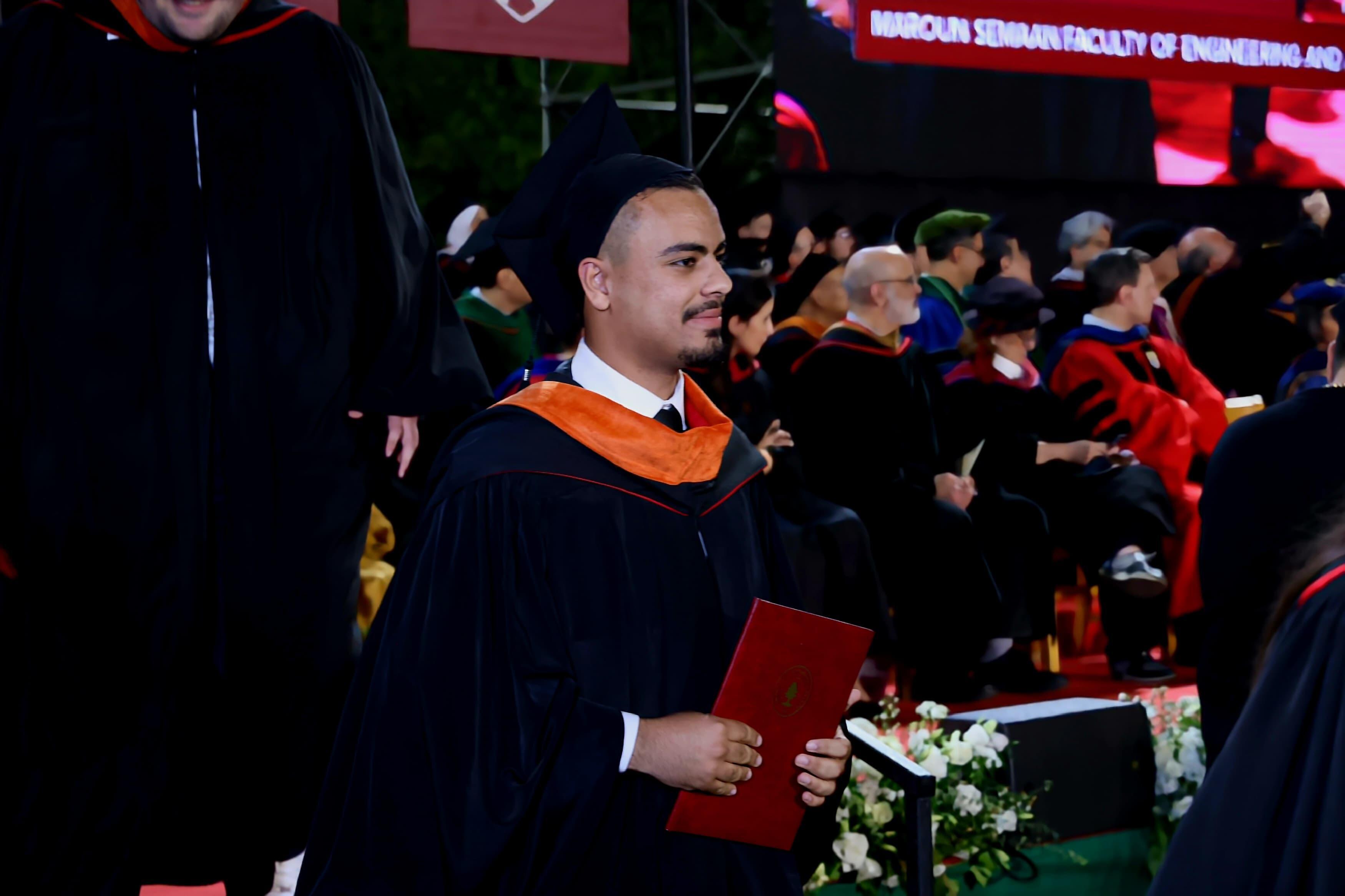
Growing up as a Palestinian refugee in Lebanon, education was never just a path. It was the only bridge I had to a future I could control. In a country where refugee status often limits access to basic services and opportunities, I learned early on that resilience and ambition would be my strongest tools. These tools carried me through my years at the American University of Beirut, where I pursued a Bachelor of Engineering in Computer and Communications Engineering, specializing in Artificial Intelligence. Now, having been accepted into the Master’s program in Electrical and Computer Engineering, with a focus on Machine Learning and Data Science at the University of Southern California (USC), I stand on the edge of a new beginning. But I need help crossing that bridge.
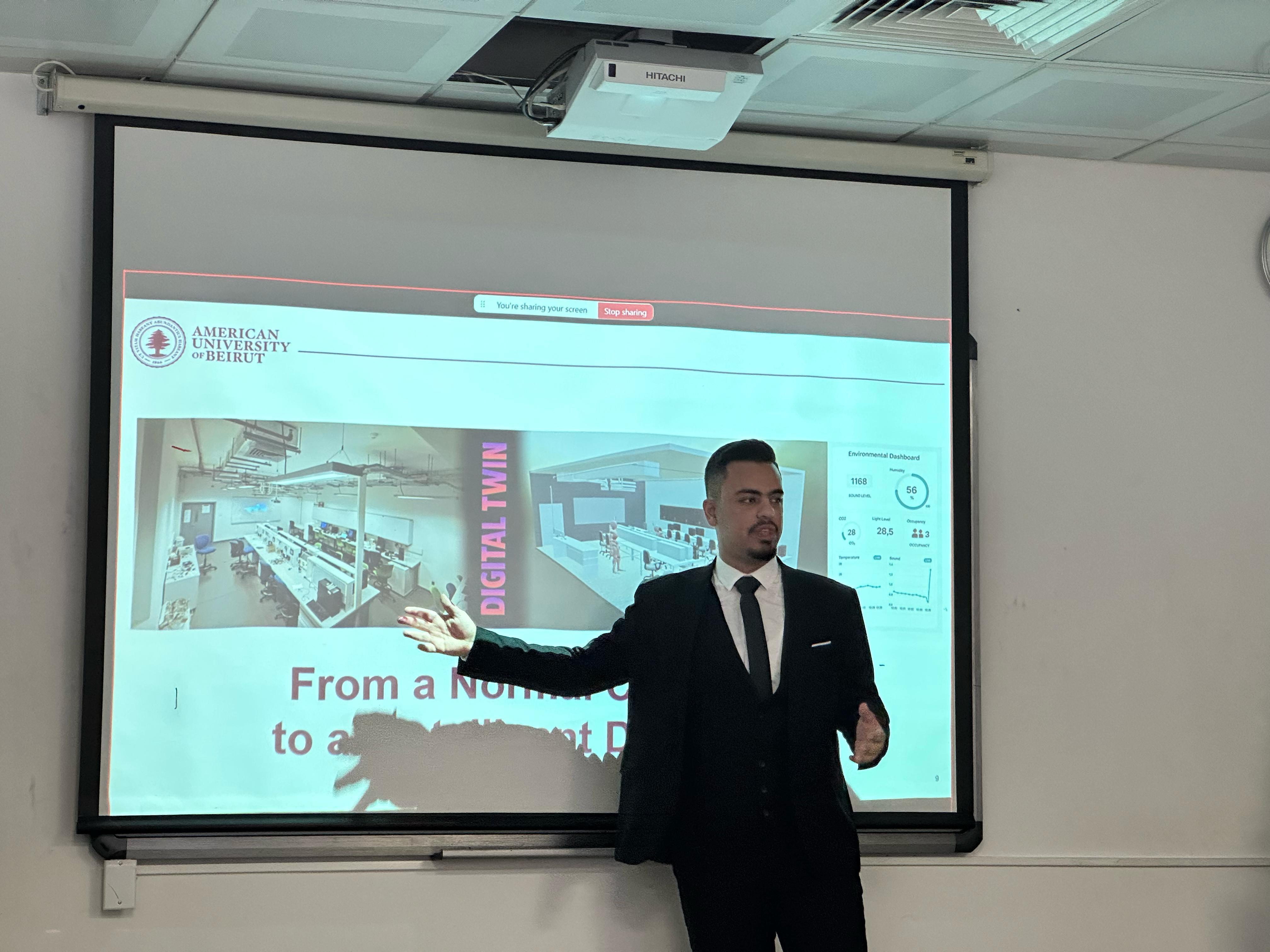
My interest in artificial intelligence and machine learning stems from a deep belief that technology, when applied ethically and responsibly, can create more equitable societies. I chose this field not because it was trending, but because I saw its potential to transform systems that perpetuate inequality. During my undergraduate studies, I worked on projects like real-time digital twins for smart classrooms and AI models for infrastructure optimization. These experiences confirmed my belief that the future lies in using intelligent systems to improve education, security, and living conditions, especially in underserved communities like the one I come from.
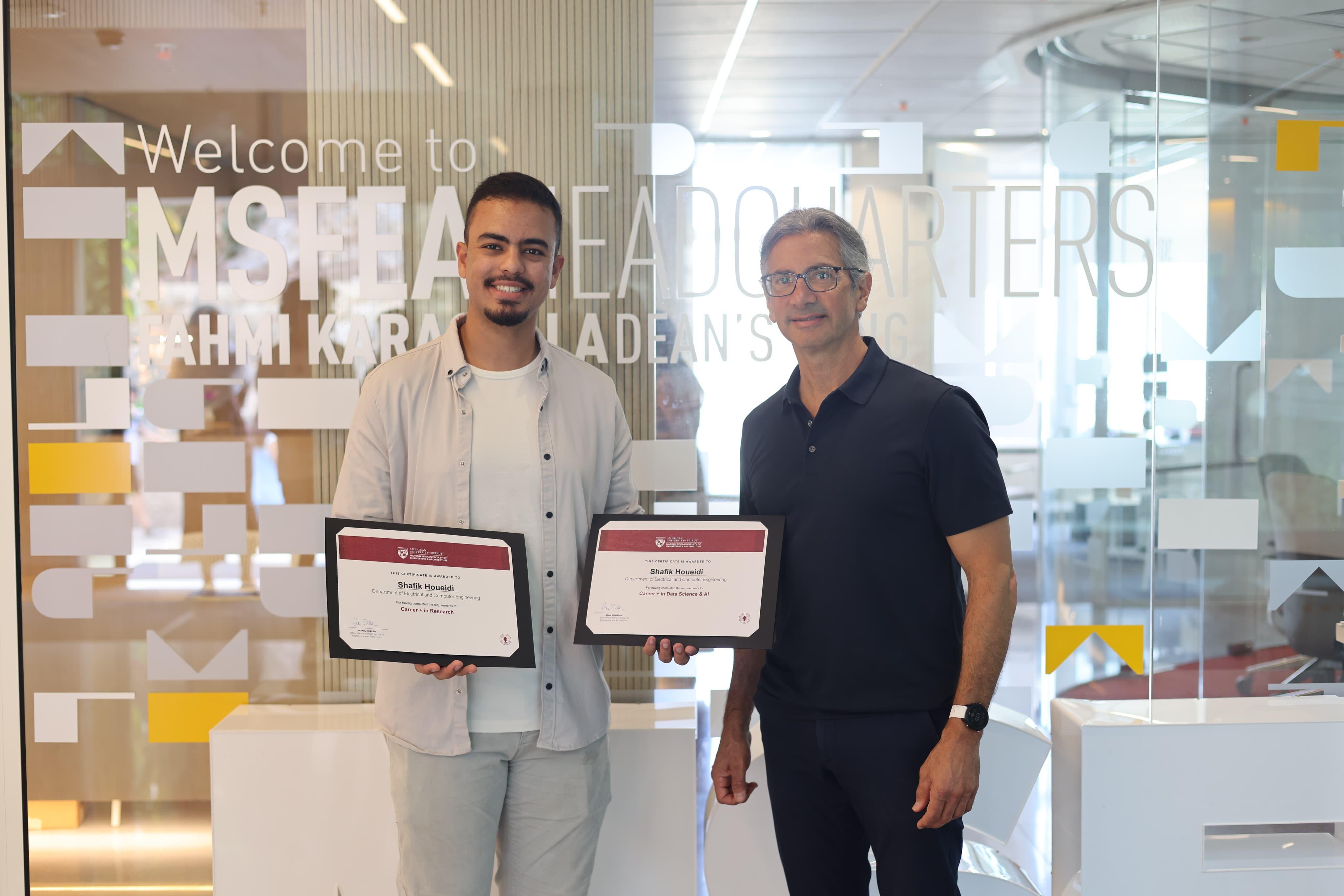
The journey has not been easy. Throughout university, I navigated economic collapse, political unrest, and personal insecurity. There were weeks when I stayed overnight in university labs because I could not afford safe transportation or housing. I balanced full academic loads with research and teaching assistantships just to stay afloat. Despite these challenges, I graduated with a 3.73 GPA, multiple research experiences, and recognition on the Dean’s Honor List. The support of donors during my undergraduate years, including the Dr. Reem Renno Scholarship and other need-based aid, was vital. It did not just ease a financial burden. It gave me space to grow, contribute, and believe in what I could achieve.
Financial assistance at this stage would mean everything. Being admitted to USC is a milestone I once thought unreachable. But the tuition and cost of living in the United States are far beyond what I or my family can afford. A donor’s contribution would not only allow me to pursue this world-class education. It would directly invest in a student who has already proven the ability to thrive despite adversity. It would enable me to contribute back, not just to my field, but to the communities I represent.
What motivates me most is the responsibility I feel toward the next generation of displaced youth. I want to build intelligent systems that serve education in refugee settings, and I want to mentor others like me. The impact of a donor’s support will not stop with me. It will ripple outward, through every student I help, every tool I build, and every door I hold open for someone else.
I am not asking for a handout. I am asking for a chance to build something greater, with you as part of that story.